Film-Inspired Capsule Wardrobe: 12 City-Ready Pieces
Build a film-inspired capsule wardrobe with 12 versatile pieces for work, weekends, and cinema nights. Style better, shop less, and dress with ease.
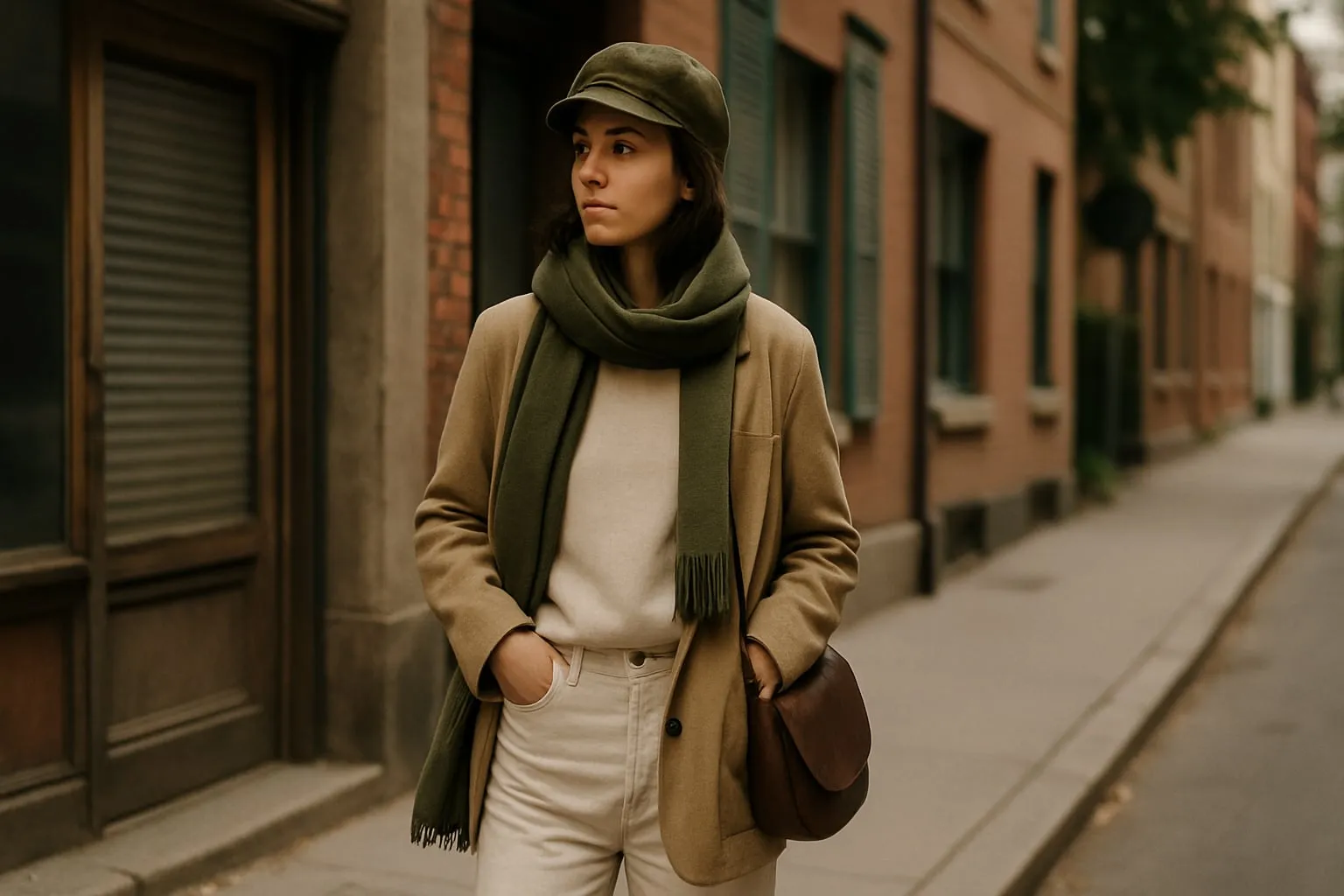
Film-Inspired Capsule Wardrobe: 12 City-Ready Pieces
A film-inspired capsule wardrobe uses 12 versatile pieces to cover workdays, weekends, and cinema nights. The strongest version combines neutral layers, reliable shoes, and one or two distinctive items, so you can create several outfits without filling your closet.
Use films as visual references rather than strict costume guides. A trench coat can suggest Casablanca, a cropped leather jacket can recall The Wild One, and a white T-shirt can bring to mind Jean Seberg in Breathless while still fitting your own commute and climate.
Why build a film-inspired capsule wardrobe?
A compact wardrobe cuts down the time spent deciding what to wear. Each item has to work with several others, which makes outfit planning easier on rushed mornings and before evening screenings.
The most useful formula is one base, one top, one outer layer, and one pair of shoes. Start with jeans or trousers, add a T-shirt or shirt, then change the mood with a blazer, trench coat, or leather jacket. The color palette does much of the work, so black, navy, white, grey, khaki, and denim are practical starting points.
This approach has a trade-off. You give up some novelty in exchange for easier combinations and fewer impulse purchases. If you enjoy bright colors or dramatic prints, keep one statement item outside the neutral core rather than forcing every garment to match.
Which 12 pieces belong in the wardrobe?
Choose fabrics and cuts that suit your weather, work setting, and laundry routine. A heavy wool coat may look excellent in a winter film, but it will spend most of the year unused in a hot city.
- Single-breasted trench coat. Choose cotton gabardine for mild weather or a light wool blend for colder months. Khaki, black, or dark navy will work over tailoring and denim. Humphrey Bogart’s trench in Casablanca remains a useful reference for proportion. Check the sleeve length before buying; cuffs that cover your hands make the coat look borrowed.
- Navy blazer. An unstructured shoulder and a wool blend give you a cleaner shape without office-level stiffness. It works with trousers, dark jeans, or a midi skirt. A fully lined blazer looks sharper but can feel warm on public transport, so an unlined or half-lined version suits hot climates better.
- High-waisted tapered trousers. Wool, cotton twill, or a wool blend will hold a crease and handle repeated wear. Look at Catherine Deneuve’s 1960s proportions for a reference: a defined waist with a clean, narrow leg. Test the seated fit before removing the tags because waistbands that feel fine standing can pinch during a long screening.
- Black button-down shirt. Lightweight cotton works for everyday wear, while silk or a washable silk blend creates a softer evening line. Wear it open over a white T-shirt or buttoned under a blazer. The collar should sit flat beneath the jacket rather than bunching at the neck.
- White T-shirt. Pick mid-weight cotton with a crew neck or slight scoop. Very thin jersey often shows undershirt lines and loses its shape after washing. Jean Seberg’s look in Breathless shows why a simple white tee can carry an outfit when the fit is right.
- Signature knit sweater. Merino, cotton, or a cashmere blend can add texture without adding another color. A crew neck works across more outfits, while a V-neck leaves room for a shirt collar. Steve McQueen’s relaxed 1960s knits are a useful guide, but avoid oversized sleeves if you need to wear the sweater under a blazer.
- Leather jacket. A short biker or racer jacket changes the tone of trousers, skirts, and dresses. Marlon Brando in The Wild One made the shape famous, but a softer leather or recycled alternative may be easier for daily wear. This is a costly, weather-sensitive purchase, so it is a good category for second-hand shopping.
- Dark slim jeans. Raw or selvedge denim creates a sharper line than heavily distressed denim. Choose a rise and leg width that balance your blazer and boots. Dark indigo can transfer dye onto pale upholstery during the first few wears, so wash the jeans separately and avoid light bags until the excess dye fades.
- Neutral midi skirt. A bias-cut or pleated skirt works with sneakers, boots, and a knit. Black, charcoal, olive, or chocolate brown gives you more combinations than a seasonal print. Check how the fabric moves when you walk; a skirt that twists at the knees will become a frequent repair problem.
- Leather Chelsea boots. A low heel and elastic side panels make them practical for walking between transit stops and venues. They balance trousers and skirts while keeping a clean, city-film silhouette. Add a thin heel grip if your foot slips, but leave room for socks when trying them on.
- White sneakers. Leather or canvas with a restrained shape can replace dress shoes on casual workdays. They need regular care because city dust shows quickly on white uppers. Use a soft brush, mild soap, and air drying; a radiator can warp the sole or crack the leather.
- Structured tote or crossbody bag. Heavy canvas costs less and handles rain better than untreated leather. Vegetable-tanned leather develops a patina but needs more care and usually costs more. Check the strap length with your coat on, especially if you carry a notebook, compact umbrella, and water bottle to a screening.
How can you combine the 12 pieces for city life?
Build the outfit from the shoes upward when you know you will walk. Then add the outer layer last. This avoids a common wardrobe mistake: choosing a beautiful coat first and discovering that the shoes cannot handle the route between the station, café, and cinema.
| Day | Outfit | Why it works |
|---|---|---|
| Work meeting | Navy blazer, tapered trousers, white T-shirt, Chelsea boots, structured tote | The blazer adds shape while the T-shirt keeps the outfit from feeling formal. |
| Weekend screening | Leather jacket, dark jeans, black shirt, white sneakers, crossbody bag | The darker base looks polished and the sneakers handle walking and queues. |
| Evening out | Midi skirt, signature knit, trench coat, Chelsea boots | The skirt brings movement while the trench protects the outfit from a cool walk home. |
For a faster morning, photograph two or three combinations that already fit well. Keep the images in a phone album with labels such as “rainy commute” or “screening after work.” This small step removes the need to rebuild an outfit when you are running late.
How should you shop for a sustainable capsule?
Start by checking what you already own. Lay the garments on the bed and test each candidate with at least three other pieces. If a jacket only works with one pair of trousers, it is a statement purchase rather than a capsule foundation.
Second-hand shops are especially useful for wool blazers, leather jackets, and trench coats. Inspect the underarms, lining, button attachments, zippers, and trouser hems. A low price does not help if the lining needs replacing or the leather smells strongly of moisture.
Buy new when fit, hygiene, or wear makes second-hand sourcing difficult. T-shirts, socks, and sneakers often need more frequent replacement, while a well-kept wool coat can last for years. Ask about fabric composition and care before paying; dry cleaning can become the hidden cost of a garment that seemed affordable.
How can films guide your personal style?
Watch costumes in motion instead of copying a single still image. Notice where a jacket ends at the hip, how much shirt cuff shows, and whether the character wears a bag high on the shoulder or low near the hip. Those details help you adapt a film reference to your own body and daily movement.
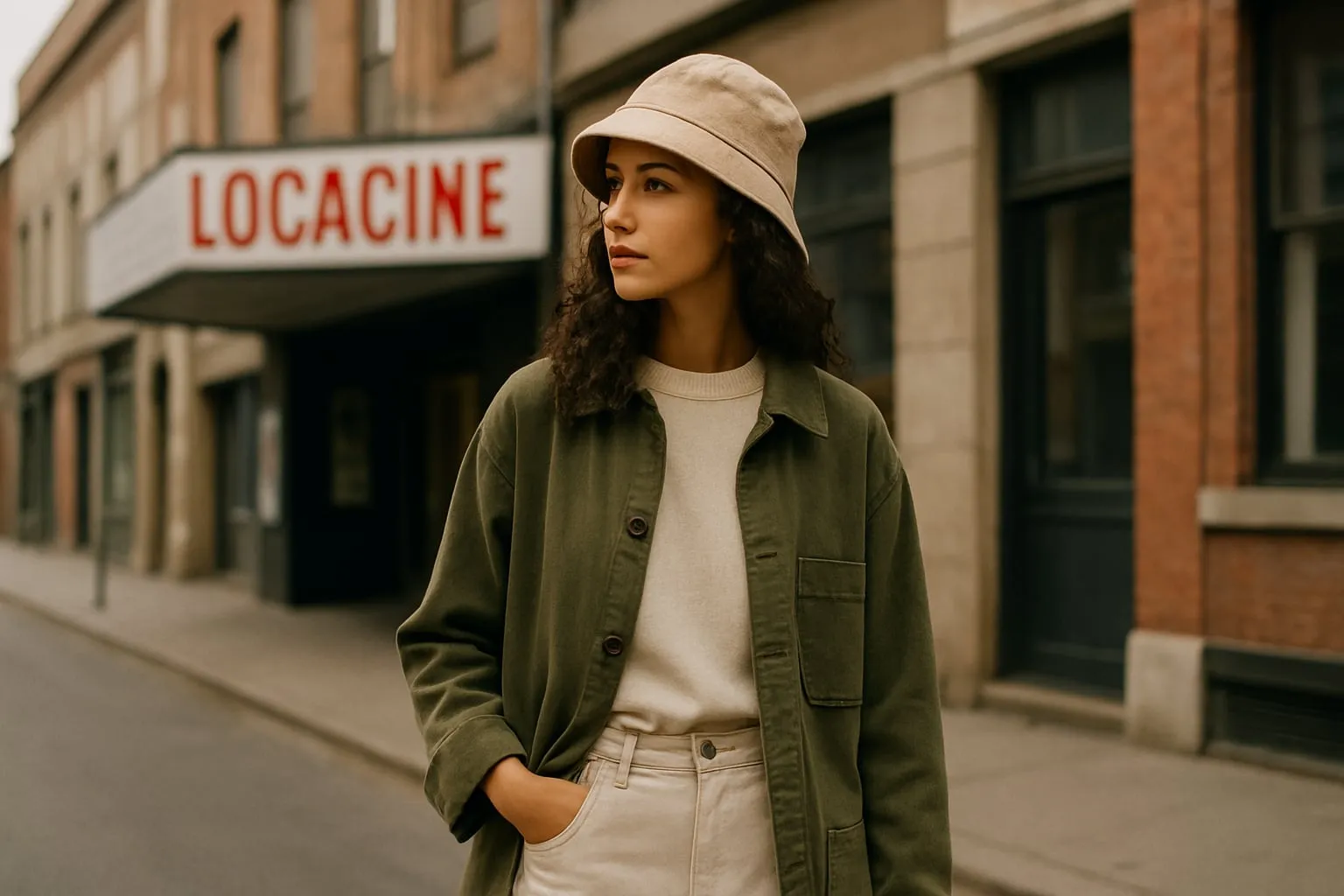
A local screening also gives you a practical setting for testing proportions. The Fazenda Vale do Paraíba Localcine screening space can inspire a softer palette and practical layers for an outdoor or rural setting. For a more creative community reference, explore the Ponto de Cultura Atelier Travessia on Localcine.
If you photograph your outfits, pay attention to light and movement rather than posing every look against a blank wall. The guide Filmagem com smartphone: roteiro, enquadramento e som covers framing and sound choices that can help you record a useful outfit reference. You can also find practical advice in Fotografiar eventos locales con el móvil y vender fotos if you plan to document local events or create fashion content.
How do you care for the pieces across seasons?
Rotate heavy fabrics in winter and move lighter cottons to the front of the closet in warmer months. Air wool and knitwear after wearing them instead of washing them automatically. A seasonal wash is often enough unless a garment has visible dirt, body odor, or a spill.
Store leather in a breathable cotton bag, never sealed plastic. Use wide hangers for blazers and coats, fold knits to prevent shoulder bumps, and empty coat pockets before storage so the fabric does not stretch. Clean white sneakers before marks settle into the surface.
A neutral base gives you the most combinations, while one colored knit, scarf, or skirt keeps the wardrobe from looking uniform. Choose that accent after you have tested the core pieces, and your film-inspired capsule wardrobe will support work, cafés, commutes, and cinema nights without asking you to dress like a character.